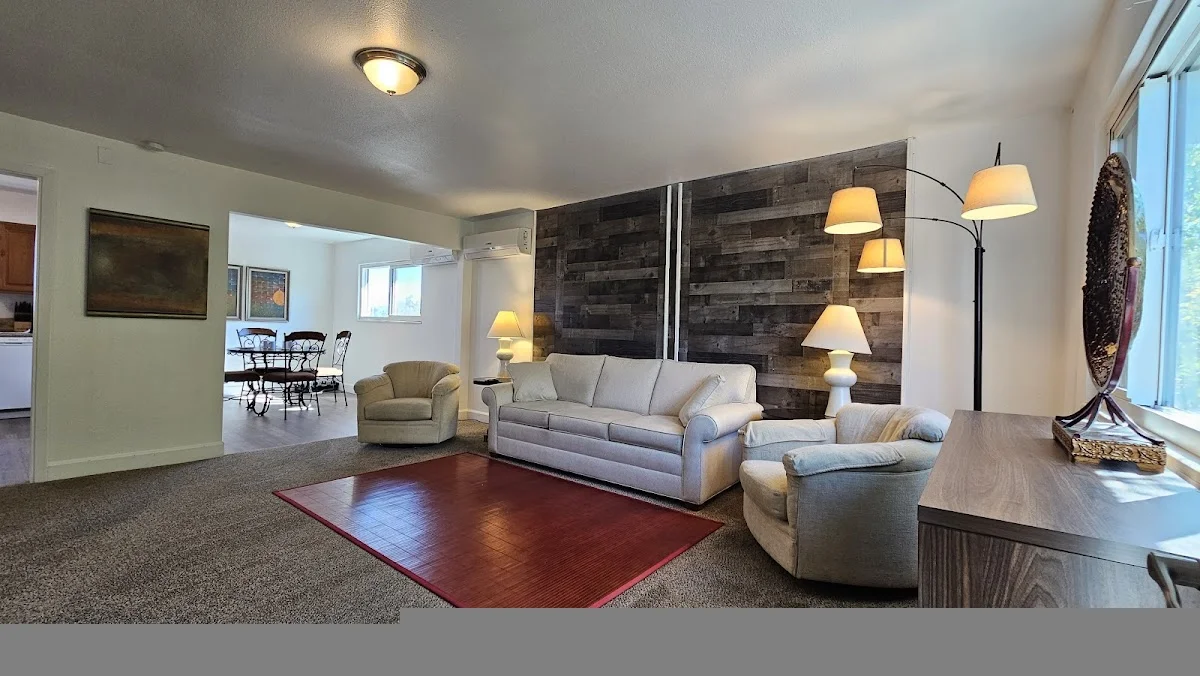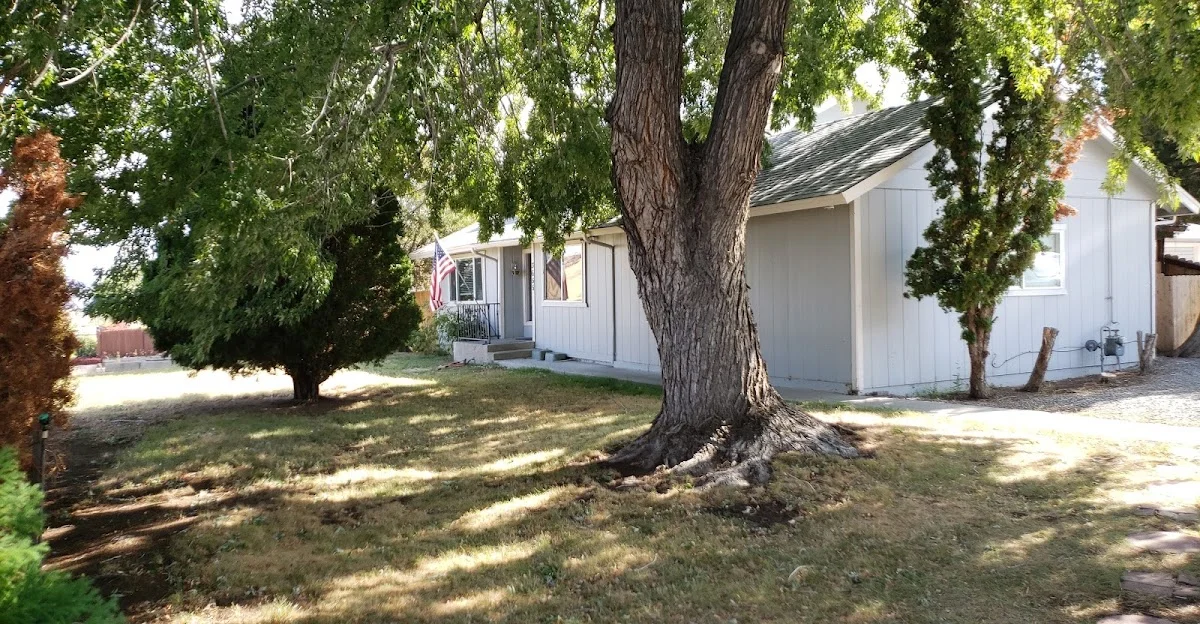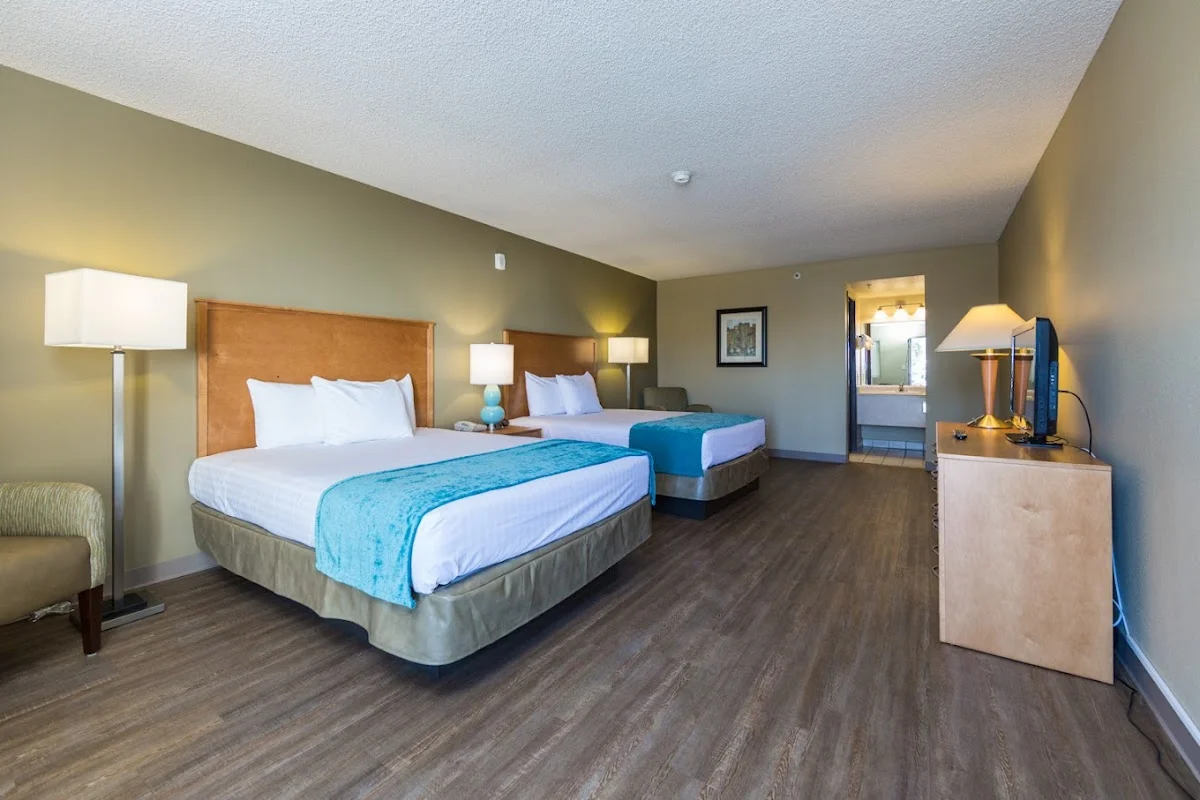
Choosing the right sober living home in Nevada can significantly impact your recovery journey. With so many options available, it’s essential to understand what makes a quality sober living home and how to avoid potential pitfalls. This comprehensive guide aims to equip you with the knowledge to make an informed decision, ensuring you find a supportive environment conducive to your recovery.
What Makes a Quality Sober Living Home?
Quality sober living homes provide a safe, supportive, and structured environment for individuals in recovery. Here are some key features to look for:
- Supportive Community: The presence of a strong, positive peer support network is crucial. Residents should encourage each other and participate in group activities.
- Qualified Staff: Look for homes with trained staff or house managers who are knowledgeable about addiction recovery and can provide guidance.
- Structured Environment: A good sober living home will have a structured daily schedule that includes activities, group meetings, and personal time.
- Accountability Measures: Regular drug and alcohol testing can help maintain accountability among residents.
- Life Skills Training: Programs that teach essential life skills can help residents transition back into everyday life successfully.
Red Flags to Avoid
While searching for the right sober living home, it's essential to recognize potential red flags that may indicate a poor choice:
- Lack of Cleanliness: A well-maintained environment is crucial for recovery. If the home is dirty or poorly kept, it may not be a safe space.
- No Structure or Rules: Homes without clear guidelines or schedules can lead to chaos and hinder recovery efforts.
- Unqualified Staff: Avoid homes where staff members lack training or experience in addiction recovery.
- Pressure to Use: Any indication that residents are encouraged or pressured to use substances is a major red flag.
- High Turnover Rate: Frequent changes in residents may suggest a lack of stability and support.
Questions to Ask During Tours
When visiting potential sober living homes, asking the right questions can help you gauge their quality:
- What are the house rules? Understanding the expectations can help you determine if you will be comfortable there.
- What support services are available? Inquire about therapy, counseling, and group meetings that the home provides.
- What is the average length of stay? This can give you insight into the home’s success rates and stability.
- How are conflicts managed? Knowing how the home handles disputes will help you understand their approach to maintaining harmony.
- Can you provide testimonials or references? Feedback from former residents can be invaluable in assessing the home’s effectiveness.
House Rules and Expectations
Most sober living homes have specific rules and expectations that residents must follow. Common rules include:
- Maintaining sobriety: Residents are typically required to remain drug and alcohol-free.
- Participating in house meetings: Regular meetings help foster community and accountability.
- Completing chores: Keeping the home clean and well-maintained is often part of the responsibilities.
- Respecting curfews: Many homes enforce curfews to promote a stable living environment.
- Attending recovery meetings: Engaging in 12-step programs or similar meetings is often encouraged.
Cost and Financial Assistance
The cost of sober living homes can vary widely. Here are some things to consider:
- Average Costs: Prices can range from $500 to $3,000 per month, depending on location, amenities, and services provided.
- Insurance Coverage: Check if your health insurance policy covers sober living expenses.
- Sliding Scale Fees: Some homes offer fees based on income or financial need.
- Grants and Scholarships: Research local organizations that may offer financial assistance for sober living.
The Difference Between Level 1 and Level 2 Sober Homes
Understanding the distinction between Level 1 and Level 2 sober homes can help you choose the right fit:
- Level 1: These homes are typically less structured and may allow more freedom. They are ideal for individuals who have recently completed a treatment program.
- Level 2: These homes offer a more structured environment with stricter rules and expectations, suitable for those needing more support in their recovery journey.
How to Find Certified Sober Homes in Nevada
Finding certified sober living homes requires research. Here are some steps to guide you:
- Check Online Directories: Websites like the National Alliance for Recovery Residences (NARR) provide listings of certified homes.
- Ask for Recommendations: Consult with addiction counselors or support groups for referrals to reputable homes.
- Research State Regulations: Familiarize yourself with Nevada’s licensing and certification requirements for sober homes.
Success Tips for Sober Living
To thrive in a sober living home, consider these success tips:
- Engage Actively: Participate in house meetings and community activities to build connections.
- Set Personal Goals: Define clear, achievable goals for your recovery to maintain focus.
- Seek Support: Don’t hesitate to reach out to therapists or support groups when facing challenges.
- Stay Committed: Remember that recovery is a journey that requires patience and dedication.
- Maintain Open Communication: Foster honest relationships with housemates and staff to create a supportive environment.
Choosing the right sober living home in Nevada is a crucial step in your recovery process. By understanding what to look for, asking the right questions, and being aware of potential pitfalls, you can find a supportive environment that fosters your healing journey.
More Recovery Resources in Nevada
Sober Network is a directory, not an intake form. Explore local facilities and contact providers directly.